
Our difference

The best experiences are designed. Including the part that happens after your guests go home.

A guest in a quiet wellness ritual

Your guest has had the best five days she’s had in years. She has a release in the closing circle, swapped numbers with three new friends and told you, twice, that she’ll be back next year.

Day 3 at home, the inbox wins. By week 4, the early mornings, the new habits and the person she felt like on that last morning have quietly slipped away. She doesn’t book again. And not because she didn’t love it. It was because once she walked out the door, nobody was holding the return, or more importantly, her evolution.

That isn’t a failure of care. You cared enormously. It’s a gap in the design. Most experiences are planned up to checkout, and most marketing stops at the booking. What happens next is left to chance.

The research

The research says this gap is real, and it’s costing you.

The integration gap

The change fades when the experience ends.

Researchers call it the integration gap: the drop-off after the trip or program, when powerful insights slide back into old habits once people return to familiar routines. Their conclusion is direct. A provider’s service shouldn’t stop at checkout, because long-term value depends on what happens afterwards.

Neuhofer, Transformative Experience Integration, The Service Industries Journal, 2024.
4.1 / 10

Guests want to come back and most businesses don’t give them a way.

Across the wellness travel category, guests rate post-experience support at just 4.1 out of 10, and 61% rate it poor. Yet their intent to return sits at 7.3 out of 10. The loyalty is already there, however the follow-through is missing.

The Global Retreat Report 2026.

55% vs 24%

The marketing is often selling the wrong thing.

55% of wellness operators believe burnout is what drives their guests. Only 24% of guests say so. 52% say they come for personal growth. When the promise and the reason people actually book don’t match, the experience starts on the back foot.

Global Retreat Report 2026.

Impact, not attendance

Success is still measured by who turned up, not what changed.

Event research recommends measuring success by attendee impact and experience quality, not attendance alone. Tourism researchers looking to 2050 go further: the industry will be judged by its ability to support wellbeing and personal growth, rather than arrival numbers.

Celuch and Neuhofer, Current Issues in Tourism, 2025. Neuhofer, Tourism Review, 2025.

Our approach

It’s not simply about generating content. It’s about designing the whole experience.

Valuable customer experiences do not happen by accident: they are shaped by the design of the experience, the quality of its delivery and the way customers participate in it.

Content still matters. But it’s only the first moment in a much longer relationship. The welcome email, the first five minutes of arrival, the quiet hour on day 2, the check-in a week after they’re home: every touchpoint either builds trust or quietly chips away at it.

So our promise is simple. We design your guest’s experience from the first scroll to long after they’ve gone home, and we make sure it holds up in all three places the research says it’s won or lost.

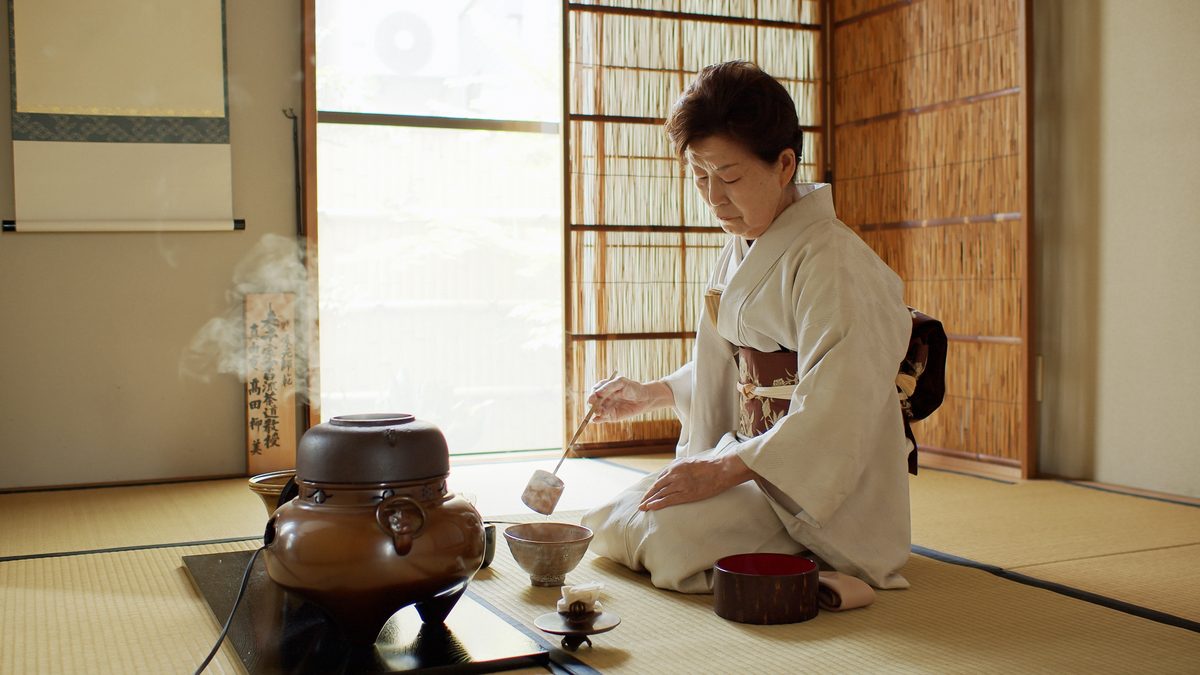
A tea ceremony set for guests
Design

The design of the experience

Experiences that create lasting change are built on purpose, not left to inspiration. Research points to three building blocks:

  • Moments that gently break the routine
  • Space to reflect
  • Touchpoints that help people carry the change home

Change rarely arrives in one big moment. It builds through a sequence of small ones, shaped by things as simple as the light, the sound, the pace and the people in the room.

Goh, Neuhofer and Duerden, Journal of Hospitality and Tourism Research, 2025. Celuch and Neuhofer, Current Issues in Tourism, 2025.

What we do

Map the journey moment by moment, from pre-arrival to follow-up, and design the spaces, rhythm and rituals in between.

Delivery

The quality of its delivery

The people delivering your experience are its most important design element. Research on facilitators (hosts, guides, coaches and workshop leaders) finds they are the human support that helps guests move through discomfort to discovery. The skill is balance: too much guidance smothers the guest’s own discovery, too little leaves them on their own. And when your team is stretched or burning out, guests feel it.

What we do

Work with your practitioner or talent team to design the standards, flow and space to deliver with care, consistently.

Participation

The way guests participate

Guests aren’t an audience. They help create the experience, and they can just as easily undo it. Value is built through shared rituals and active participation, and lost through expectations that don’t match what’s delivered. That makes your marketing part of the experience: it sets the expectations every guest walks in with.

What we do

Line up what your marketing promises with what people actually experience, and design clear invitations for guests to take part, before, during and after.

The details are not the details. They make the design.

Charles Eames
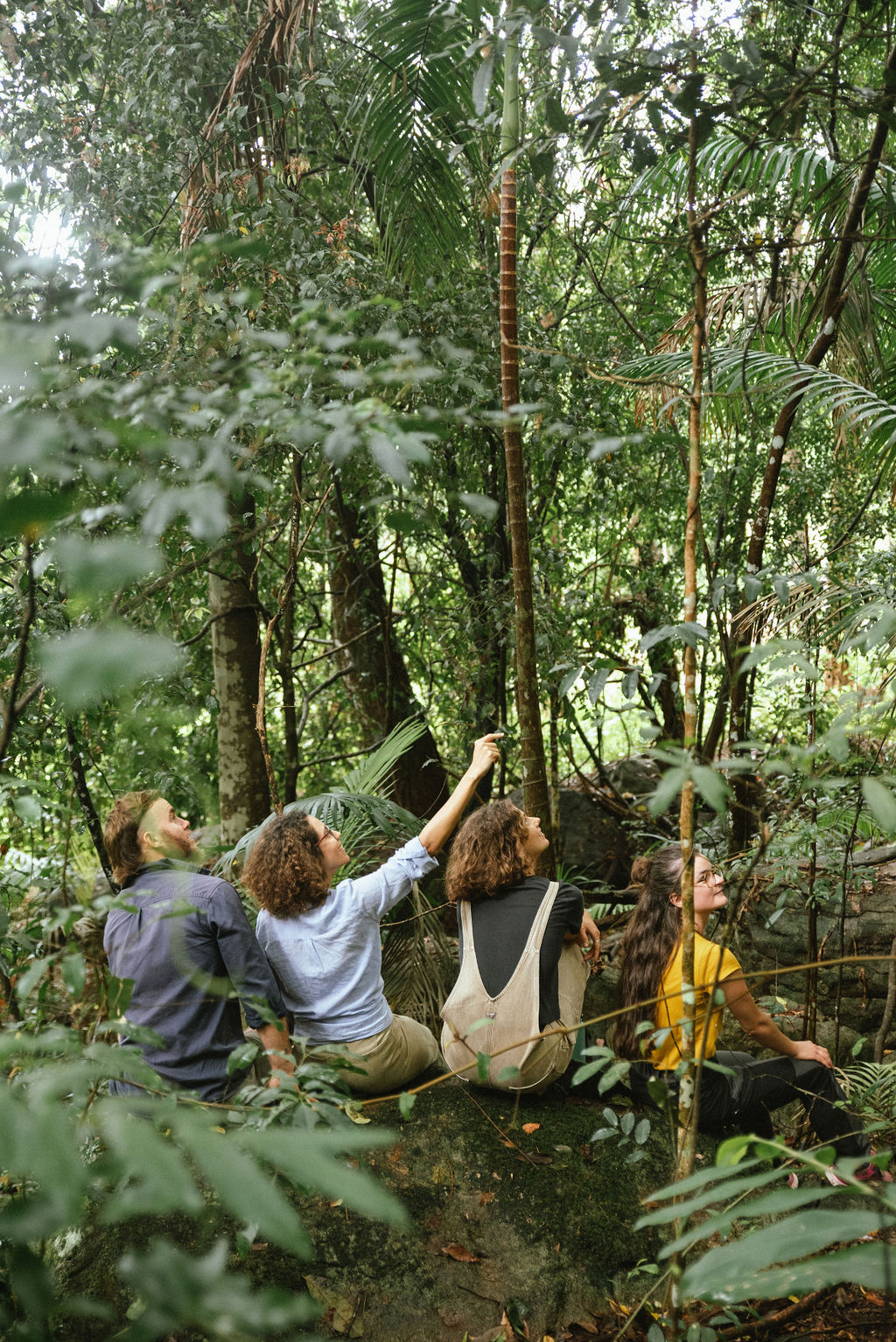
Guests on a guided rainforest walk
What sets us apart

We don’t just do the marketing or the experience. We design both, and what happens after.

We design for after

This is the part almost nobody builds. We design the follow-through: the check-in a week later, the conversation once ordinary life has settled back in, the community, the clear next step and the invitation back. Researchers name peer support, reflection and structure at home as what turns a good week into a lasting change. It’s also what turns a happy guest into a returning one.

Neuhofer, The Service Industries Journal, 2024. Neuhofer and Dulbecco, Annals of Tourism Research, 2024.
Campaigns and experience, under one banner

When marketing and delivery are run by different people, the promise and the experience drift apart. We plan your campaigns and design your guest experience together, so what you say online and what people feel in person tell the same story. That’s where trust starts.

We measure what changes, not just who came

We help you track what matters: how guests feel before and after, whether they come back and whether they bring a friend. So you can show real results instead of simply claiming them.

Care and commerce, in synergy

Event leaders say the hardest part of designing meaningful experiences is keeping them commercially viable without losing the safe, human spaces that make them work. Every recommendation we make answers two questions. How will this feel for your guests? And how will it keep your business healthy?

How we bring it together

The enKompass signature model: the SET Approach

Strategy + Experience + Transformation = Trust

The SET ApproachStrategy, Experience and Transformation work together in a continuous cycle to build Trust, measured in return visits and referrals. StrategyExperienceTransformation TrustReturn + referral
  1. Strategy

    • Knowing your customer
    • Customer journey mapping
    • Brand voice and planning
  2. Experience

    • Content engine
    • Experience and event design
    • Tools and systems
  3. Transformation

    • Creating the conditions
    • Follow-through
    • Measured results

Strategy

Know your guests, why they really book, and map every step of their journey.

Experience

Design every touchpoint, from your campaigns and content to your events, programs and systems.

Transformation

Create the conditions for change, follow through after the experience and measure what matters.

The result is guests who trust you, come back and tell their friends.

Explore the SET Approach

Valuable experiences don’t happen by accident. Let’s design yours.

What We Do
Sources
  1. Goh, S., Neuhofer, B. and Duerden, M. (2025). Designing experiences for transformation and sustainable futures. Journal of Hospitality and Tourism Research.
  2. Neuhofer, B. (2025). Positive tourism experiences for human transformation: a Horizon 2050 paper. Tourism Review.
  3. Dieteren, N. and Neuhofer, B. (2025). Transformative experience: exploring the role of experience facilitators. The Service Industries Journal.
  4. Celuch, K. and Neuhofer, B. (2025). Transformative event experiences: a visual in-situ study of change. Current Issues in Tourism.
  5. Neuhofer, B. and Dulbecco, M.L. (2024). The phases of self in transformative tourism experiences. Annals of Tourism Research.
  6. Neuhofer, B., Celuch, K. and Rihova, I. (2024). The future of transformative events: an event leaders’ perspective. International Journal of Contemporary Hospitality Management.
  7. Dieteren, N. and Neuhofer, B. (2024). Transformative event experiences: a multi-stakeholder value co-creation and co-destruction perspective. Event Management.
  8. Neuhofer, B. (2024). Transformative experience integration: a conceptual analysis. The Service Industries Journal.
  9. Global Retreat Report 2026.